
 Dr. Colonna
 Dr. Maloney
 Meet the Team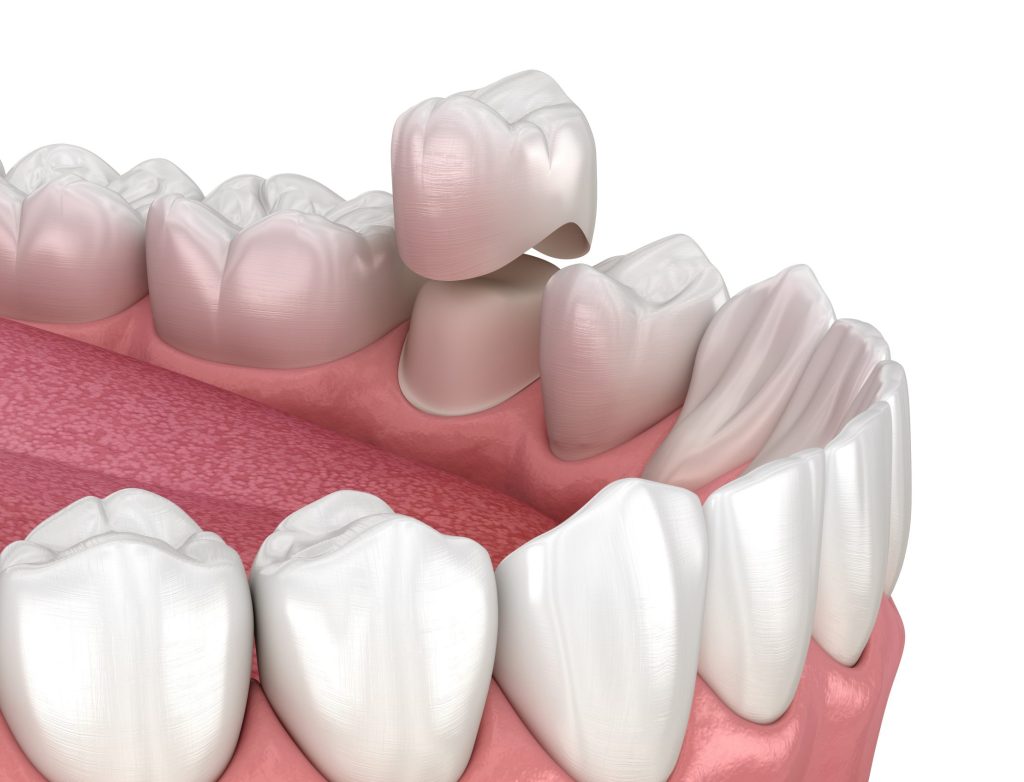
If you already have a dental crown, you probably remember the relief of having your tooth protected again. Crowns are one of the most common dental procedures because they help you chew comfortably, protect weakened tooth structure, and restore a natural-looking smile.
Still, even a well-made dental crown can run into trouble over time. Normal wear, changes in your gum tissue, tooth decay under the crown, or bite pressure can all affect how a crowned tooth feels and functions. The good news is that most dental crown problems show early warning signs, and a routine dental exam can often catch concerns before they turn into further complications.
At Amedeo and Colonna, LTD, we focus on comfortable and convenient dental care for patients in Park Ridge and the surrounding Chicago area. If something feels “off” with a crown, you deserve clear answers, gentle care, and a plan that fits your needs.
Why do some dental crowns fail?
Dental crowns can fail when the underlying tooth changes, the crown material wears down, or the fit at the base of the tooth no longer seals as well. Common culprits include tooth decay, gum recession, excessive force from clenching, and a poor fit that traps plaque near the crown area. Regular dental checkups help catch these changes early.
1) Pain when chewing or pressure sensitivity
A crown should feel like part of your natural teeth. If you notice pain when you bite down, temperature sensitivity, or a “high spot” feeling, it may point to a bite issue, a change in the underlying tooth structure, or irritation around the prepared tooth. Sometimes the extent of the damage under a crown is not visible at home, especially if there are early signs of decay.
Discomfort can also happen if the tooth under the crown needs additional care, such as a root canal, or if there is gum inflammation around the edge. A quick evaluation and X-rays during dental visits can help your dentist check the condition of the tooth and the surrounding teeth, then recommend a corrective option that restores your comfort.
2) A loose crown or shifting that you can feel
A loose crown is one of the clearest signs that something needs attention. Crowns are held in place with dental adhesive, and over time that bond can weaken. Inadequate cementation, heavy bite pressure, or chewing hard foods can contribute, especially if you tend to clench or grind.
If your crown wiggles, lifts, or feels like it moves when you floss, avoid chewing on that side and call for an appointment. A loose crown can let bacteria and food slip toward the underlying tooth, raising the risk of tooth decay, further damage, and possible complications. In some cases, a crown can be re-cemented, and in others, a new crown is the safer long-term answer.
3) Visible wear, chips, or cracking
Crowns are strong, but they still face years of daily use. Chewing ice, biting hard objects, or using your teeth like tools can stress the crown material and the tooth structure underneath. Even if you do not see a major break, tiny cracks can create rough edges, trap plaque, or change how your bite meets your adjacent teeth.
Different materials wear differently. Porcelain crowns can look beautifully natural, but they may chip if they take the wrong kind of impact. Metal crowns are durable, but they can still develop fit issues over time, and some people notice a dark line near the gumline. Composite resin repairs can sometimes help for small areas, but significant wear often calls for replacement so the crown continues protecting the natural tooth beneath it.
If you suspect cracking, it is worth getting immediate attention. Waiting can lead to further complications, including damage to surrounding teeth or changes that make treatment more involved.
4) Dark line, gum irritation, or changes at the gumline
Your gums can tell you a lot about crown health. If you notice gum irritation, bleeding when brushing, or persistent tenderness at the crown area, it may be related to plaque buildup, a crown margin that is harder to keep clean, or gum disease developing around that tooth.
You may also see a dark line at the gumline or feel that the edge of the crown is no longer smooth. As gum recession progresses, gum tissue pulls back and can expose crown margins. The degree of recession varies from person to person, and it can make the edge of a crown more visible and more vulnerable to bacteria.
A checkup allows your dentist to examine the gum tissue closely, measure any gum recession, and review your oral hygiene routine. Periodontal maintenance, improved home care, and in some cases gum grafting can protect long-term health. If the crown has a poor fit or the edge has become exposed, replacing it can help seal the area again and reduce the risk of decay.
5) Bad taste, odor, or signs of decay around the crown
A crown covers and protects a tooth, but it does not make the tooth immune to cavities. Tooth decay can still develop at the edge of the crown, especially if bacteria get under the margins. If you notice a bad taste, persistent odor, or sensitivity that seems to come from the crowned tooth, it may indicate decay or trapped debris.
This is where good oral hygiene matters every day. Regular brushing, flossing carefully at the gumline, and the use of an antimicrobial mouthwash can help reduce bacteria. Even with excellent oral hygiene, you still need regular dental checkups so your dentist can look for early warning signs around the crown and the adjacent teeth.
If decay is found, treatment depends on the extent of the damage and how much healthy tooth structure remains. Sometimes a filling can repair a small area. Other times a new crown is recommended to restore a strong seal and protect the underlying tooth.
Common causes behind dental crown problems
Crowns fail for understandable reasons, and many are preventable with consistent dental care and smart habits. When patients know what tends to cause trouble, they can protect both their crown and their natural tooth underneath.
Here are some common issues we see over time:
- Bite pressure and excessive force, including clenching or grinding, which can stress the crown and the underlying tooth
- Chewing hard foods or biting hard objects such as ice or pens
- Oral hygiene challenges that allow plaque to collect at the base of the tooth and along the crown margins
- Gum disease and gum recession, which can expose crown edges and irritate gum tissue
- Cement breakdown, including cases where inadequate cementation leads to loosening
- Material-related factors, including normal wear of porcelain crowns, metal crowns, or other crown material over years of use
In rare cases, a patient may have an allergic reaction related to metal alloys used in certain restorations. If you have symptoms that seem unusual, your dentist can discuss the cause of the reaction and options like patch testing to help identify sensitivities.
What happens if you need a replacement crown?
Hearing “replacement” can sound intimidating, especially if you worry it will be uncomfortable or time-consuming. Most patients are relieved to learn that crown replacement is typically straightforward, and the goal is always to keep you comfortable while protecting your tooth.
When you come in, we start with listening. Your symptoms, your concerns, and your timeline matter. Then we evaluate the crown placement, the health of the gum tissue, and the underlying tooth structure to see what is happening beneath the surface. If the crown is failing, a replacement plan can include removing the old crown, addressing any decay or damage, and creating a new crown that fits comfortably and looks natural.
A strong replacement crown helps protect the crowned tooth, supports your bite with the surrounding teeth, and helps you chew with confidence again. Many patients also appreciate the cosmetic advantages of dental crowns, including restoring shape and helping a smile look even and healthy.
Tips to help your crown last longer
Crowns are built for everyday life, and a few steady habits go a long way. These tips also help protect natural teeth, dental implants, and other restorations.
- Keep up with good oral hygiene, including gentle brushing along the gumline and careful flossing
- Avoid chewing ice and other hard foods that can chip porcelain restorations
- Do not use your teeth on hard objects like packages or bottle caps
- If you grind at night, ask about a nightguard to reduce excessive force on your crown and adjacent teeth
- Schedule regular dental checkups and a routine dental exam to monitor fit, gum health, and early signs of decay
A comfortable next step in Park Ridge
If you are noticing sensitivity, a loose crown, gum irritation, or any other dental crown problems, you do not have to guess what it means. The caring, friendly dental team at Amedeo and Colonna, LTD is here to provide personalized patient care, explain your options clearly, and help you feel comfortable throughout the process.
If you would like to have your crown checked or talk about porcelain restorations and replacement crowns, we welcome you to contact our Park Ridge office to schedule a visit. We will help you protect your smile with trusted dental care in Park Ridge and a plan that supports long-term health.
Dental Crown Problems: 5 Signs Your Crown Might Need Replacement
If you already have a dental crown, you probably remember the relief of having your tooth protected again. Crowns are one of the most common dental procedures because they help you chew comfortably, protect weakened tooth structure, and restore a natural-looking smile.
Still, even a well-made dental crown can run into trouble over time. Normal wear, changes in your gum tissue, tooth decay under the crown, or bite pressure can all affect how a crowned tooth feels and functions. The good news is that most dental crown problems show early warning signs, and a routine dental exam can often catch concerns before they turn into further complications.
At Amedeo and Colonna, LTD, we focus on comfortable and convenient dental care for patients in Park Ridge and the surrounding Chicago area. If something feels “off” with a crown, you deserve clear answers, gentle care, and a plan that fits your needs.
Why do some dental crowns fail?
Dental crowns can fail when the underlying tooth changes, the crown material wears down, or the fit at the base of the tooth no longer seals as well. Common culprits include tooth decay, gum recession, excessive force from clenching, and a poor fit that traps plaque near the crown area. Regular dental checkups help catch these changes early.
1) Pain when chewing or pressure sensitivity
A crown should feel like part of your natural teeth. If you notice pain when you bite down, temperature sensitivity, or a “high spot” feeling, it may point to a bite issue, a change in the underlying tooth structure, or irritation around the prepared tooth. Sometimes the extent of the damage under a crown is not visible at home, especially if there are early signs of decay.
Discomfort can also happen if the tooth under the crown needs additional care, such as a root canal, or if there is gum inflammation around the edge. A quick evaluation and X-rays during dental visits can help your dentist check the condition of the tooth and the surrounding teeth, then recommend a corrective option that restores your comfort.
2) A loose crown or shifting that you can feel
A loose crown is one of the clearest signs that something needs attention. Crowns are held in place with dental adhesive, and over time that bond can weaken. Inadequate cementation, heavy bite pressure, or chewing hard foods can contribute, especially if you tend to clench or grind.
If your crown wiggles, lifts, or feels like it moves when you floss, avoid chewing on that side and call for an appointment. A loose crown can let bacteria and food slip toward the underlying tooth, raising the risk of tooth decay, further damage, and possible complications. In some cases, a crown can be re-cemented, and in others, a new crown is the safer long-term answer.
3) Visible wear, chips, or cracking
Crowns are strong, but they still face years of daily use. Chewing ice, biting hard objects, or using your teeth like tools can stress the crown material and the tooth structure underneath. Even if you do not see a major break, tiny cracks can create rough edges, trap plaque, or change how your bite meets your adjacent teeth.
Different materials wear differently. Porcelain crowns can look beautifully natural, but they may chip if they take the wrong kind of impact. Metal crowns are durable, but they can still develop fit issues over time, and some people notice a dark line near the gumline. Composite resin repairs can sometimes help for small areas, but significant wear often calls for replacement so the crown continues protecting the natural tooth beneath it.
If you suspect cracking, it is worth getting immediate attention. Waiting can lead to further complications, including damage to surrounding teeth or changes that make treatment more involved.
4) Dark line, gum irritation, or changes at the gumline
Your gums can tell you a lot about crown health. If you notice gum irritation, bleeding when brushing, or persistent tenderness at the crown area, it may be related to plaque buildup, a crown margin that is harder to keep clean, or gum disease developing around that tooth.
You may also see a dark line at the gumline or feel that the edge of the crown is no longer smooth. As gum recession progresses, gum tissue pulls back and can expose crown margins. The degree of recession varies from person to person, and it can make the edge of a crown more visible and more vulnerable to bacteria.
A checkup allows your dentist to examine the gum tissue closely, measure any gum recession, and review your oral hygiene routine. Periodontal maintenance, improved home care, and in some cases gum grafting can protect long-term health. If the crown has a poor fit or the edge has become exposed, replacing it can help seal the area again and reduce the risk of decay.
5) Bad taste, odor, or signs of decay around the crown
A crown covers and protects a tooth, but it does not make the tooth immune to cavities. Tooth decay can still develop at the edge of the crown, especially if bacteria get under the margins. If you notice a bad taste, persistent odor, or sensitivity that seems to come from the crowned tooth, it may indicate decay or trapped debris.
This is where good oral hygiene matters every day. Regular brushing, flossing carefully at the gumline, and the use of an antimicrobial mouthwash can help reduce bacteria. Even with excellent oral hygiene, you still need regular dental checkups so your dentist can look for early warning signs around the crown and the adjacent teeth.
If decay is found, treatment depends on the extent of the damage and how much healthy tooth structure remains. Sometimes a filling can repair a small area. Other times a new crown is recommended to restore a strong seal and protect the underlying tooth.
Common causes behind dental crown problems
Crowns fail for understandable reasons, and many are preventable with consistent dental care and smart habits. When patients know what tends to cause trouble, they can protect both their crown and their natural tooth underneath.
Here are some common issues we see over time:
- Bite pressure and excessive force, including clenching or grinding, which can stress the crown and the underlying tooth
- Chewing hard foods or biting hard objects such as ice or pens
- Oral hygiene challenges that allow plaque to collect at the base of the tooth and along the crown margins
- Gum disease and gum recession, which can expose crown edges and irritate gum tissue
- Cement breakdown, including cases where inadequate cementation leads to loosening
- Material-related factors, including normal wear of porcelain crowns, metal crowns, or other crown material over years of use
In rare cases, a patient may have an allergic reaction related to metal alloys used in certain restorations. If you have symptoms that seem unusual, your dentist can discuss the cause of the reaction and options like patch testing to help identify sensitivities.
What happens if you need a replacement crown?
Hearing “replacement” can sound intimidating, especially if you worry it will be uncomfortable or time-consuming. Most patients are relieved to learn that crown replacement is typically straightforward, and the goal is always to keep you comfortable while protecting your tooth.
When you come in, we start with listening. Your symptoms, your concerns, and your timeline matter. Then we evaluate the crown placement, the health of the gum tissue, and the underlying tooth structure to see what is happening beneath the surface. If the crown is failing, a replacement plan can include removing the old crown, addressing any decay or damage, and creating a new crown that fits comfortably and looks natural.
A strong replacement crown helps protect the crowned tooth, supports your bite with the surrounding teeth, and helps you chew with confidence again. Many patients also appreciate the cosmetic advantages of dental crowns, including restoring shape and helping a smile look even and healthy.
Tips to help your crown last longer
Crowns are built for everyday life, and a few steady habits go a long way. These tips also help protect natural teeth, dental implants, and other restorations.
- Keep up with good oral hygiene, including gentle brushing along the gumline and careful flossing
- Avoid chewing ice and other hard foods that can chip porcelain restorations
- Do not use your teeth on hard objects like packages or bottle caps
- If you grind at night, ask about a nightguard to reduce excessive force on your crown and adjacent teeth
- Schedule regular dental checkups and a routine dental exam to monitor fit, gum health, and early signs of decay
A comfortable next step in Park Ridge
If you are noticing sensitivity, a loose crown, gum irritation, or any other dental crown problems, you do not have to guess what it means. The caring, friendly dental team at Amedeo and Colonna, LTD is here to provide personalized patient care, explain your options clearly, and help you feel comfortable throughout the process.
If you would like to have your crown checked or talk about porcelain restorations and replacement crowns, we welcome you to contact our Park Ridge office to schedule a visit. We will help you protect your smile with trusted dental care in Park Ridge and a plan that supports long-term health.