
 Dr. Colonna
 Dr. Maloney
 Meet the Team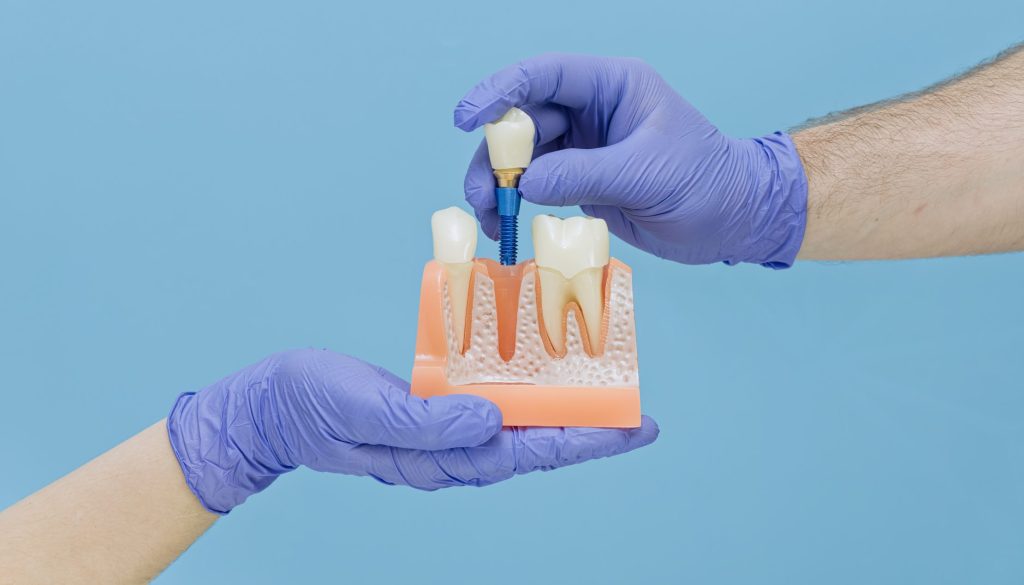
Losing a tooth can feel surprisingly unsettling. You may be thinking about your smile, your bite, and what comes next, especially if you are hoping for a long-term tooth replacement that looks and feels natural. The good news is that the path from a missing tooth to a restored smile is usually very organized, with clear steps designed to protect your comfort and oral health.
At Amedeo and Colonna, LTD in Park Ridge, we believe patients feel calmer when they understand what is happening and why. Below is a step-by-step look at what happens between losing a tooth and completing your implant restoration, including the “in-between” stages many people never hear about.
Why the “in-between” steps matter for dental implants and oral health
When you have missing teeth, it is easy to focus on the final crown and how your natural smile will look. The in-between steps create a stable foundation for long-term success. They also help your dental team plan around bone density, adjacent teeth, and any health conditions that can affect healing.
This planning supports comfort, function, and a strong outcome. It also helps prevent future complications like bone loss at the implant site and bite changes that can place excessive force on remaining natural teeth.
First step: A gentle evaluation and treatment plan for implant restoration
Most implant processes begin with a consultation and exam to look at your oral health and discuss your goals. Your dentist will review the missing tooth area, your gum health, and how the space affects chewing and speech. If you are replacing multiple missing teeth, they may also discuss implant-supported dentures as an option.
A personalized treatment plan connects everything together: the type of implant, whether added support is needed, and what the final restoration denture should look like. This is also the best time to talk openly about dental anxiety, local anesthesia options, and what will help you feel comfortable and convenient dental care at every visit.
What happens to the bone after a missing tooth?
After tooth loss, the jawbone in that area often starts to change because it no longer receives the usual stimulation from a natural tooth root. Over time, this can contribute to bone loss, which can make tooth replacement more complex. That is one reason implant planning focuses so much on the implant site and long-term stability.
A careful evaluation helps determine whether the existing bone density is strong enough for an implant post. If your bone support is limited, your dentist may speak with you about bone grafting to help build a more secure base for implant placement.
When is bone grafting part of the implant process?
Bone grafting is sometimes recommended when the jaw needs more structure to support a titanium implant. It can also help shape the area for a natural-looking result, especially where the final crown will sit. If your plan includes a bone graft, your dentist will explain the purpose and what proper healing typically involves.
Bone grafting can mean placing graft material at the implant site to encourage the area to rebuild. Not every patient needs this step, and timing varies depending on your specific restoration process. Your comfort remains central throughout planning and follow-up.
Implant placement: the artificial tooth root that supports your restoration
When you are ready for implant placement, the goal is to place a titanium implant into the jawbone where it can function as an artificial tooth root. This is part of the dental implant procedure that creates the stable foundation needed for a strong dental restoration later.
During dental implant surgery, local anesthesia is commonly used to help keep you comfortable. The implant placement itself involves preparing a small hole in the bone and positioning the implant post carefully. Some cases include a two-step dental implant surgery approach, where the implant is placed first and the restorative portion happens later.
Healing period: osseointegration and proper healing you do not see
After the implant is placed, your body needs time to integrate with it. This healing period is called osseointegration, and it is a major reason dental implants feel secure over time. The jawbone gradually fuses around the implant post, helping it become a long-term anchor.
During this stage, the focus is on proper care and protecting the area as it heals. Your dentist will review daily habits that support recovery and reduce the risk of infection, including gentle cleaning and avoiding pressure on the healing area. This calmer “pause” in the implant process is often where reassurance and clear guidance matter most.
Abutment placement: connecting the implant to the final crown
Once healing is complete, the next step is typically abutment placement. The abutment is a connector that sits on the implant and supports the visible tooth portion. Think of it as the device that helps your implant act like a natural tooth, ready to receive the final crown.
This stage is also when your dental team plans the details that make your smile look seamless, including how the restoration will match the shade and shape of your natural teeth. If you are receiving a single dental implant, the goal is a result that blends naturally with adjacent teeth for balanced aesthetics and function.
What happens during the dental implant restoration process?
Now you are moving into the dental implant restoration process, where the visible part of the tooth replacement is created. For many patients, this is the most exciting part because the “tooth” you see is finally taking shape. Your dentist will discuss the type of restoration that fits your needs, such as an implant-supported crown or an implant-supported denture for multiple missing teeth.
The restoration process often includes taking impressions so your custom crown fits comfortably and supports your bite. A well-planned dental implant restoration helps protect surrounding teeth and supports long-term chewing comfort.
Final restoration: crown placement for a natural smile
Your final restoration may be a porcelain crown or another custom dental crown designed to look and function like a natural tooth. The final step is crown placement, where the final crown is secured to the abutment so you can smile, chew, and speak with confidence.
This is also the moment patients often describe as getting their quality of life back. A stable, natural-looking artificial tooth can make day-to-day eating easier, help speech feel more natural, and reduce self-consciousness around a missing tooth.
Implant-supported dentures vs traditional dentures for missing teeth
If you are missing several teeth or a full arch, implant-supported dentures can provide a secure, reliable fit by attaching to dental implants rather than resting only on the gums. Many patients like the added stability compared to traditional dentures, especially during meals and conversation.
Implant-supported dentures can also help support the jawbone, which matters for long-term oral health. Your dentist can help compare tooth replacement options, including a dental bridge, dentures, or implants, based on your goals and comfort.
How long does implant restoration take from start to finish?
The timeline depends on your treatment plan, healing period, and whether steps like bone grafting are needed. Many patients move through a few phases: evaluation, implant placement, healing, and final restoration. Your dentist will walk you through the next step at each visit so you always know what to expect.
If your care involves coordination with an oral surgeon, your dental team can help guide the process so it feels organized and supportive. Patients across the United States choose dental implants every day, and your experience should feel clear, calm, and personal.
Caring for your dental implant restoration long-term
Once your tooth replacement is complete, daily habits and routine care help protect your investment. Dental implants can support a permanent solution mindset, but they still benefit from consistent maintenance and professional monitoring.
Here are a few basics your dentist may recommend for proper care:
- Maintain good oral hygiene with brushing and flossing around the implant and gums
- Keep regular dental visits for cleanings and monitoring of the implant site
- Avoid using your teeth as tools or biting extremely hard items that create excessive force
- Share any concerns early, such as soreness, bite changes, or difficulty cleaning
A steady routine supports gum health, comfort, and the long-term strength of the main parts of your implant, including the implant post, abutment, and crown.
The benefits of a fully restored smile with modern restorative dentistry
A complete dental implant restoration supports chewing, speaking, and smiling with ease. Patients often appreciate how closely an implant can mimic the feel of natural teeth, especially compared to options that depend on neighboring teeth for support. With a thoughtful approach to restorative dentistry, dental implants can also help maintain facial structure by supporting the jawbone.
Most importantly, the process can feel manageable when you have a caring, friendly dental team explaining each phase. Transparent planning and consistent follow-up help you feel confident in your decisions.
Ready to talk through your implant restoration options in Park Ridge?
If you have a missing tooth or you are exploring implant-supported dentures, Amedeo and Colonna, LTD is here to help with trusted dental care in Park Ridge and the surrounding Chicago area. We will take time to listen, review your oral health, and build a plan that feels comfortable and clear. When you are ready, request an appointment to learn which tooth replacement path fits your smile and your life.